Essential Things to Check in a Car Before a Long Drive
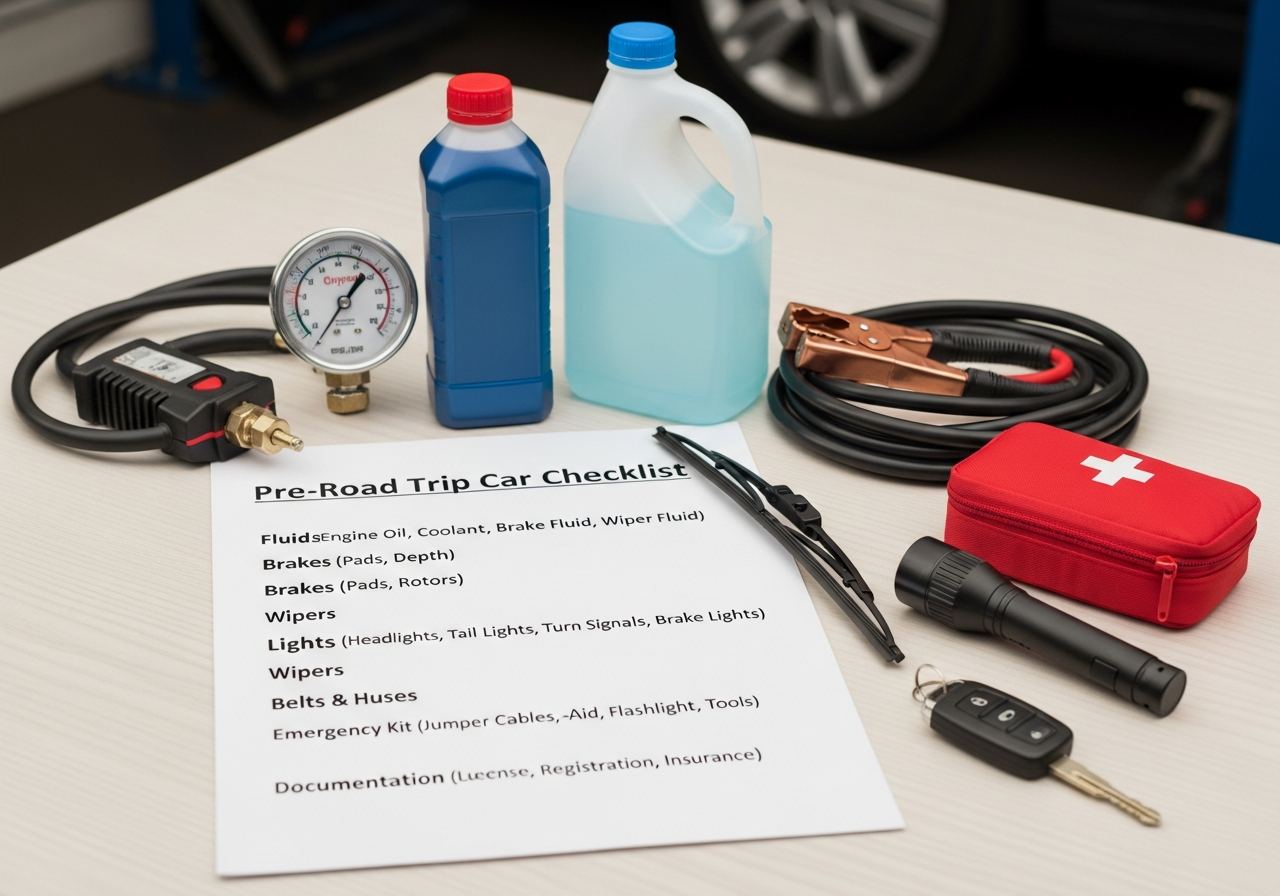
There’s something exciting about a long drive—the open road, playlists queued up, snacks riding shotgun. But nothing kills that vibe faster than a breakdown in the middle of nowhere. A little preparation can save you time, money, and a whole lot of stress. Before you hit the road, here are the essential things to check in your car to make sure your trip stays smooth and safe.
1. Tires: Your First Line of Safety
Tires do more work than we give them credit for. Check the tire pressure (including the spare) and make sure it matches the manufacturer’s recommended PSI. Under-inflated tires reduce fuel efficiency and increase the risk of a blowout. While you’re at it, look at the tread depth—bald or unevenly worn tires are a red flag, especially for long highway drives or rainy conditions.
2. Engine Oil: The Lifeblood of Your Car
Pop the hood and check the oil level using the dipstick. If it’s low or looks dark and gritty, it’s time for a top-up or an oil change. Driving long distances with insufficient oil can seriously damage your engine, and that’s not the kind of souvenir you want from a road trip.
3. Coolant and Fluids: Keep Things Running Smooth
Your engine heats up fast on long drives, so coolant levels matter. Make sure the coolant reservoir is filled to the recommended level. Also check other essential fluids like brake fluid, transmission fluid, windshield washer fluid, and power steering fluid. These small checks prevent big problems later.
4. Brakes: Don’t Ignore the Warning Signs
If your brakes squeal, feel spongy, or pull to one side, get them checked before you travel. On a long drive, you’ll rely heavily on your brakes—especially in traffic, hills, or unfamiliar terrain. Good brakes equal peace of mind.
5. Battery: Avoid the Silent Trip Killer
A weak battery can leave you stranded without warning. Look for corrosion on the terminals and make sure connections are tight. If your battery is more than three years old or your car struggles to start, it’s worth getting it tested before you leave.
6. Lights and Signals: See and Be Seen
Test all exterior and interior lights—headlights, brake lights, indicators, hazard lights, and reverse lights. Visibility is crucial, especially if you’ll be driving at night or in bad weather. A burnt-out bulb is a cheap fix compared to the risk of an accident.
7. Wipers and Windshield: Clear Vision Matters
Check your windshield wipers for cracks or stiffness. If they smear instead of clearing water, replace them. Make sure your windshield is clean and free from major cracks that could spread during long hours of driving.
8. Emergency Kit: Plan for the Unexpected
Even well-maintained cars can run into trouble. Pack an emergency kit that includes a first-aid kit, flashlight, jumper cables, tire inflator or jack, basic tools, and some water. It’s also smart to keep your car documents, insurance info, and emergency contacts easily accessible.
9. Fuel and Route Planning: Don’t Push Your Luck
Start your journey with a full tank of fuel, especially if you’ll be driving through remote areas. Know where fuel stations are along your route so you’re not stressing about the next stop with the fuel light blinking at you.
10. Comfort Check: Because Long Drives Are Long
Finally, adjust your seat, mirrors, and steering wheel for comfort. Bring chargers, snacks, sunglasses, and anything else that keeps you relaxed and focused. A comfortable driver is a safer driver.

GaadiAdvisor
Admin
Summer Car Care Checklist: Simple Tips to Protect Your Car & Your Peace of Mind
Tips 5 min read
Read →
How to Check Car Battery Condition: A Complete Guide for Every Car Owner
Guide 5 min read
Read →
Car Service Appointment Tips
Tips 5 min read
Read →
Why Should You Consult a Professional Before Going for Car Repair and Servicing?
Guide 10 min read
Read →
Essential Car Health Check Before Summer Season in Odisha
Tips 5 min read
Read →


